
There was a long, open field I used to cross every day on my way to school. It stretched endlessly, the kind of place where time felt slower, where grass bent with the wind, and where each season painted a new face onto the land. In spring, the earth was fresh and green; in summer, the grass turned tall and golden, brushing against my legs as I walked. During monsoon, puddles formed, and my shoes would sink into the mud, while in winter the frost made it look pale and brittle. For years, it was the same; a quiet, familiar landscape I never thought would disappear.
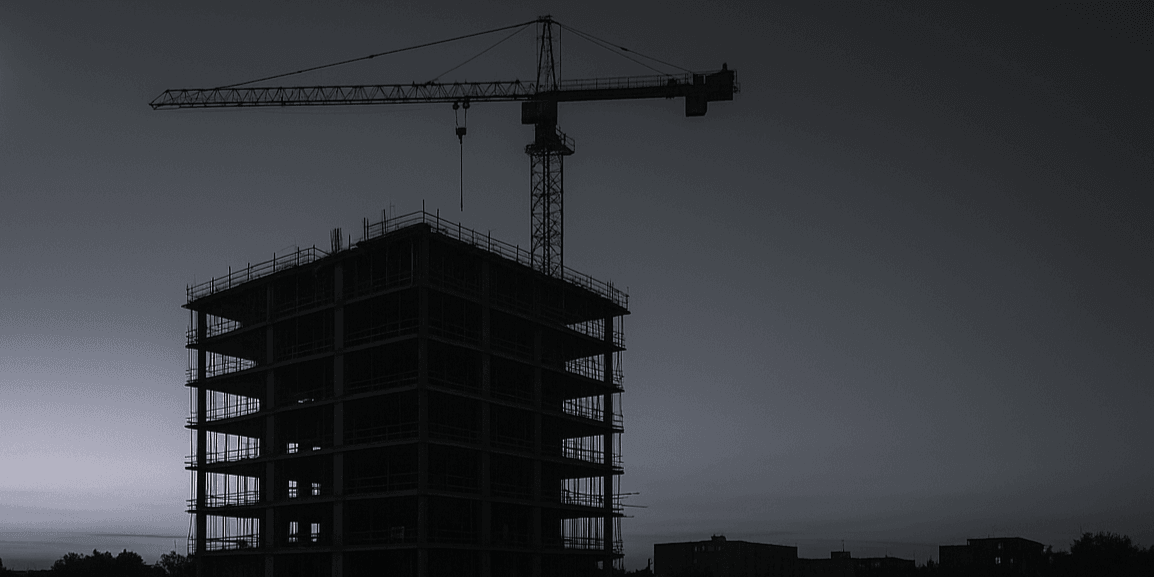
Then one morning, I noticed something different. Construction workers were walking across the field, pointing and measuring, their boots pressing marks into the soil. At first, I didn’t think much of it, but a few weeks later, bricks and cement were stacked along the edges. Slowly, the open sky I was used to seeing above the field filled with scaffolding and concrete walls. When they laid the foundation, I knew the field that had always been part of my walk to school was gone.
The building rose quickly. Day after day, on my way to class, I watched as steel bars pierced the ground, walls climbed upward, and the sound of shovels and drills replaced the whisper of wind through the grass. It was unsettling, almost like watching a friend fade away. That field had held so many pieces of my childhood; chasing after friends, cutting through to get home faster, or just stopping to stare at the clouds. Now, all of that was buried under concrete.
And it wasn’t just the field. Around the same time, new streetlights were planted along the road. At night, instead of the soft darkness, sharp white light washed over the neighborhood. More vehicles appeared, and the once-quiet evenings grew restless with horns and chatter. Shops stayed open later than ever before. A rhythm that never seemed to stop had replaced the silence I grew up with.
At first, I hated it. I missed the comfort of the seasons, the way the field always reminded me that time was moving but in a gentle, familiar way. A concrete building could never do that. But as months passed, I also began to see what this change brought. More people came into the area. The neighborhood became livelier. Coffee shops and stores appeared, giving us places to gather. The streetlights made late walks home safer.
The day the field disappeared was the first day my town began to feel like a city. It wasn’t only about the building or the light,it was about realizing that home itself was changing. What once belonged to a few of us now belonged to many. The open field became concrete, but the memories I hold of it still live inside me. Growth didn’t erase what came before; it just gave me two versions of home: the quiet town of my childhood and the city I’m growing up with now.