
Baba always says he had his fair share of struggles. His stories inevitably begin with, “Maile school jada khola tarera janu parthyo,” telling how he’d wade through a river just to reach school, coming from a small village in Dhading.
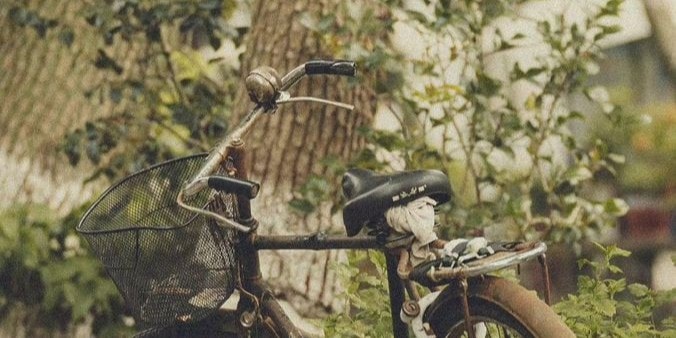
Mamu, on the other hand, has her own playful tales: of riding her bicycle through the streets of Bharatpur and a bunch of stories of harmless mischief and carefree afternoons.
They both come from places I don’t really know. Born and brought up in the cozy clutter of Kathmandu, those places exist for me only through their memories, their nostalgic eyes, and some old dusted photographs. But whenever they sit down to retell those stories, it’s as if I have lived it alongside them.
The way Baba describes his childhood (plucking guavas and litchis straight from trees, running wild with his nieces and nephews, making toys from mud and found trinkets), I try to paint that world in my mind. My childhood feels so different from Baba’s, yet I find that his story also shaped my upbringing. I flip through old, faded photographs to help me imagine it: the rugged hills of Dhading, tiny barefoot children with wide smiles, a house made of stone and wood. And also think about what the things he did back then would be possible in this age and time. Maybe it was those rough paths and sun-baked fields that taught Baba to be so gentle with his own daughters, patient in ways that feel rooted in something deeper than just love.
Mamu’s stories always carry a sparkle. She talks of climbing mango trees to pick the ripest fruit, of skipping classes to roam around Bharatpur with her friends, her laughter ringing through narrow streets. She tells me how her father (my hajurbuwa) was a gentle soul, never strict, how he adored her and pampered her in small ways that still make her smile, and how Aama always used to say that he had properly spoiled her. Maybe that’s why even her minor rebellions felt safe, wrapped in the quiet assurance of his love and Aama’s care bind all those sarcastic taunts.
Sometimes I wonder what it must have been like to grow up there: in bicycles and streets that do not really indulge in the chaos of traffic, what it felt to cross a river to reach the school and how must it feel now when they narrate their stories of mischief for their daughters. How different my childhood in Kathmandu seems, hemmed in by walls and traffic, the air always heavy with dust and noise.
Yet through their stories, those places become part of me. Dhading’s rugged hills and Bharatpur’s warm streets live somewhere inside my head, stitched together by my parents’ voices. And when I do visit their hometowns, I always beg them to take me to those exact spots (the river Baba once crossed, the tree Mamu once climbed), and somehow, I find myself already belonging.
Maybe I’ll never truly know what it felt like to splash barefoot through rice paddies or to have others fuss over my mischief. But their memories have quietly shaped me all the same. Even without growing up there, those villages are my homes too, just woven a little differently into my story.